
Welcome to the exciting world of Chicken Road game Chicken Road, a game that combines strategy, humor, and a quirky storyline. In this article, we will explore the intricacies of Chicken Road, delve into its gameplay mechanics, and provide tips and tricks to enhance your gaming experience.
Introduction to Chicken Road
Chicken Road is an innovative game that offers players a chance to navigate a whimsical landscape filled with various obstacles and challenges. The objective of the game is simple: guide your chicken across the road to safety while avoiding potential dangers. However, beyond this straightforward premise lies a world brimming with exciting gameplay elements that keep players engaged and entertained.
Game Mechanics
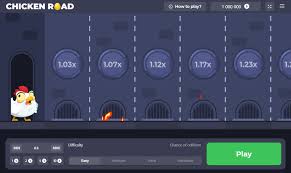
At its core, Chicken Road combines traditional arcade gaming elements with unique mechanics that create a captivating experience. Players control a chicken that must cross busy roads, dodge vehicles, and avoid pitfalls. The intuitive controls make it easy for players of all ages to jump in and start playing, while various difficulty levels cater to both casual and hardcore gamers.
Obstacles and Challenges
As players progress through the game, they encounter an array of obstacles designed to challenge their reflexes and strategic thinking. These include:
- Moving Vehicles: Cars, trucks, and even bicycles speed along the road, requiring quick thinking and precise timing to avoid collisions.
- Potholes: These unexpected hazards can trip up even the most cautious players and add an element of surprise to the gameplay.
- Predators: Players must be on the lookout for roaming foxes and other wildlife that pose a threat to the chicken’s safety.
Each of these challenges adds depth to the gameplay, making every crossing an exhilarating experience.
Game Strategies
To succeed in Chicken Road, players must develop effective strategies. Here are some tips that can help you stay ahead of the game:
- Observe Traffic Patterns: Pay attention to the movement and speed of vehicles. Understanding these patterns will help you time your crossings more effectively.
- Utilize Safe Zones: Look for safe zones along the road to pause and strategize your next move. These zones are your friend!
- Practice Makes Perfect: Don’t be afraid to replay levels to improve your skills. With practice, you’ll become a master at navigating the hazards.
- Stay Calm: Even when faced with overwhelming obstacles, remain calm and focused. Panic can lead to mistakes.
Visual and Audio Elements
Another standout feature of Chicken Road is its vibrant graphics and engaging sound effects. The game’s style is bright and colorful, with charming character designs that appeal to players of all ages. The audio effects complement the gameplay perfectly, providing feedback through amusing sounds when the chicken successfully avoids obstacles or when it meets an unfortunate fate.
Community and Multiplayer Features
Chicken Road also embraces the social aspect of gaming by incorporating community features. Players can connect with friends and challenge each other to beat high scores. The multiplayer mode adds a layer of competition and camaraderie, making the game even more enjoyable. Players can share their achievements, strategies, and experiences, creating a lively community around the game.
Updates and Future Prospects
The developers of Chicken Road are committed to enhancing the gaming experience through regular updates. Future expansions may include new levels, challenges, and in-game events that keep players coming back for more. Staying engaged with the community through social media platforms provides insights into what players can expect in upcoming releases.
Conclusion
In conclusion, Chicken Road offers a refreshing take on the classic arcade genre. With its engaging gameplay, quirky aesthetics, and community-driven features, it’s a game that appeals to a wide audience. Whether you’re a casual player looking for a fun distraction or a competitive gamer seeking challenges, Chicken Road has something for everyone. So, grab your controller, guide your chicken, and enjoy the adventures that await!
Don’t miss out on the fun—try Chicken Road today and embark on a journey filled with excitement and challenges!
]]>
The Evolution of Gaming: From Pong to VR
Gaming has come a long way since the dawn of digital entertainment. The journey began in the early 1970s with simple games like Pong, which captured the hearts of millions and led to the establishment of a burgeoning industry. In this article, we’ll explore the remarkable evolution of gaming, examining how technology, culture, and innovation have shaped the gaming landscape. Moreover, we will also touch upon the legitimacy of certain online gaming platforms—game is Chicken Road legit—as it is crucial to always consider the authenticity of online gaming experiences.
The Birth of Video Games
The gaming industry can trace its roots back to the 1950s, but it truly ignited in the 1970s with the introduction of arcade games. Pong, developed by Atari, was one of the first commercially successful video games, allowing players to engage in a simple yet captivating table tennis simulation. The success of Pong not only marked the inception of video gaming as a mainstream entertainment medium but also set the stage for dozens of clones and inspired many developers to dive into game creation.
Following the arcade boom, home consoles began to surface in the late 1970s and early 1980s. The Atari 2600 was a groundbreaking system that allowed individuals to experience video games in their own homes, significantly contributing to the growing popularity of gaming.
The Golden Age of Gaming
The early 1980s is often referred to as the Golden Age of gaming. This period saw the introduction of iconic arcade titles such as Space Invaders, Pac-Man, and Donkey Kong. The success of these titles amplified interest in video games, leading to a surge in home gaming systems.
Unfortunately, this explosive growth was met with pitfalls, culminating in the video game crash of 1983. The market became saturated with low-quality games, leading to a sharp decline in consumer confidence. The crash forced many companies out of business, but it also paved the way for innovation and revitalization in the gaming industry.
The Rise of Nintendo and Sega
The mid-1980s saw the emergence of two titans: Nintendo and Sega. The release of the Nintendo Entertainment System (NES) in 1985 reinvigorated the industry, bringing top-tier games like Super Mario Bros., The Legend of Zelda, and Metroid to the forefront. Nintendo introduced a high standard for quality, which helped restore consumer confidence in gaming.
Sega countered with the Genesis console, which boasted superior graphics and a strong library of games like Sonic the Hedgehog. The rivalry between these two companies dominated the gaming landscape throughout the late 80s and early 90s, leading to console wars that engaged gamers passionately.
The Transition to 3D Graphics
The 1990s marked a significant turning point in gaming as developers began to explore 3D graphics, offering players immersive experiences like never before. The release of the Sony PlayStation in 1994 redefined gaming, as the console catered to both casual and hardcore gamers, leading to a wider demographic for video games.

During this period, we witnessed the rise of gaming franchises such as Final Fantasy, Resident Evil, and Tomb Raider, which emphasized storytelling, character development, and intricate game design. The technological advancements of the time allowed developers to create rich, expansive worlds that players could explore.
The Online Gaming Revolution
As the internet began to permeate households, gaming adapted to this new frontier. The late 1990s and early 2000s marked the birth of online gaming, with platforms such as PC and consoles able to connect players across the globe. Multiplayer online battle arenas (MOBAs) and massive multiplayer online role-playing games (MMORPGs) gained popularity, bringing players together for cooperative or competitive gameplay.
World of Warcraft, released in 2004, epitomized the potential of online gaming, setting records for player engagement and transforming the way people interacted with games. The concept of guilds, raids, and virtual economies became staples of the gaming experience, further immersing players in their digital worlds.
The Mobile Gaming Boom
With the advent of smartphones in the late 2000s, mobile gaming emerged as a dominant force. Accessible to a broader audience than traditional consoles, mobile games like Candy Crush and Clash of Clans allowed casual gamers to engage in gaming on-the-go. The rise of apps revolutionized the industry, creating a new model of free-to-play and in-app purchases that changed how games were monetized.
Mobile gaming has democratized the industry, allowing developers from various backgrounds to create engaging experiences. Indie’s games like Monument Valley and Among Us have shown that creativity and innovation can thrive outside of traditional gaming companies.
The Future: Virtual Reality and Beyond
Today, we stand on the brink of a new era in gaming, with virtual reality (VR) and augmented reality (AR) promising to redefine the way players interact with their games. Headsets such as the Oculus Rift and HTC Vive have made immersive experiences more mainstream, allowing players to step inside their games and explore virtual worlds in ways that were once unimaginable.
As technology continues to evolve, so too will the potential for gaming. The integration of artificial intelligence, machine learning, and cloud computing signals a bright future for an industry that thrives on innovation. With developers pushing the boundaries of what’s possible, the possibilities seem limitless.
Conclusion
The evolution of gaming has been a remarkable journey marked by innovation, creativity, and community. From its humble beginnings in arcades to the immersive experiences of today, gaming has grown into a cultural phenomenon that unites millions worldwide. As we set our sights on the future, it’s clear that the world of gaming will continue to evolve, pushing the boundaries of what is possible and captivating audiences for generations to come.
]]>
Welcome to the World of Chicken Road
If you are a fan of fun and engaging games, you’ve probably heard about Chicken Road. This dynamic and colorful adventure lets players immerse themselves in a feather-filled world full of quirky challenges and exciting races. So, grab your controller, and let’s take a deep dive into the universe of Chicken Road! For more fantastic games, visit Chicken Road game https://www.fashiondetective.co.uk/.
What is Chicken Road?
Chicken Road is more than just a game; it’s an experience! Developed by visionary game designers, it features chickens racing against one another in a variety of whimsical environments. Each chicken is unique, complete with its own quirky personality and set of abilities. The game combines elements of strategy, skill, and fun, making it suitable for players of all ages.
Game Mechanics and Features
Chickens and Their Abilities
In Chicken Road, players can choose from a variety of chickens, each equipped with distinct skills. For example, some chickens can fly for short distances, while others might outrun their opponents. Understanding each chicken’s strengths and weaknesses can be the key to winning races and overcoming challenges.
Race Modes

Chicken Road offers several exciting race modes. Players can compete in solo races, team challenges, or timed trials. Each mode has its own unique flavor and requires different strategies to secure victory. Solo races allow players to hone their skills, while team challenges emphasize collaboration and strategy with friends.
Challenging Environments
The game features a range of colorful environments—from grassy farms to bustling city streets. Each track presents its own challenges, such as obstacles and power-ups that players can use to their advantage. The vibrant graphics and dynamic animations contribute to an engaging gameplay experience that keeps players coming back for more.
Tips and Strategies for Success
To ensure victory in Chicken Road, players can follow several strategies:
- Know Your Chicken: Understand the abilities of your chosen chicken and use them to your advantage.
- Master the Controls: Practicing the controls will enhance your agility and response time during races.
- Use Power-ups Wisely: Power-ups can turn the tide of a race. Save them for critical moments!
- Study the Track: Familiarize yourself with the track layout, including shortcut opportunities and hazard locations.
Multiplayer Fun
One of the major appeals of Chicken Road is its multiplayer functionality. Players can compete against friends or join online matches with gamers from all over the world. Creating a friendly competition can heighten the excitement and foster a sense of community among players. Engaging in multiplayer modes also facilitates learning as you can observe different playing styles and techniques.
Character Customization
Another fantastic aspect of Chicken Road is the ability to customize your chicken. Players can unlock various skins, outfits, and accessories as they progress. This feature not only allows for personalization but also adds an element of fun, as players can express their individuality through their chicken characters.
The Importance of Strategy
While Chicken Road is undoubtedly a race, it incorporates strategic elements as well. Knowing when to use power-ups, how to navigate obstacles, and when to accelerate is essential. Players who plan their moves ahead of time often find greater success than those who rush through the game.
Community and Updates
Chicken Road has a thriving community of players who share tips, strategies, and experiences. Participating in this community not only enhances gameplay but also provides opportunities for fellowship with fellow gamers. Additionally, the game developers are actively involved in releasing updates and expansions, ensuring that the experience remains fresh and exciting.
Conclusion
Chicken Road is a charming and addictive game that combines fun gameplay with strategic thinking. Whether you’re a casual gamer or a competitive player, you’ll find the colorful world of Chicken Road captivating. With its engaging storylines, diverse characters, and dynamic racing elements, it holds something for everyone. So challenge your friends, unlock new chickens, and embark on an adventure today!
]]>