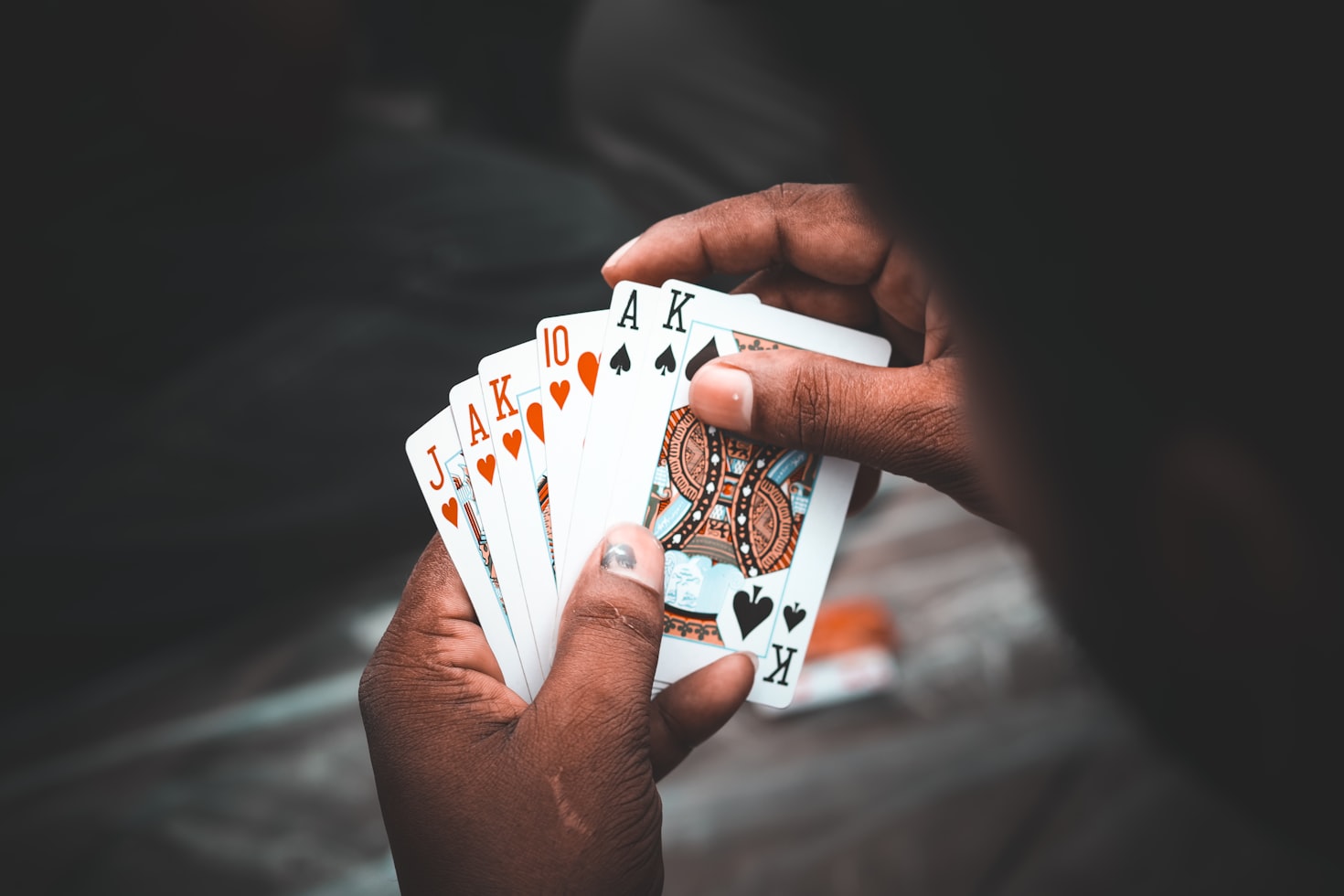
Exploring the psychological forces driving the thrill of gambling
The Allure of Risk
The thrill of gambling often stems from the innate human attraction to risk. Engaging in activities that involve uncertainty can elicit strong emotional responses. This excitement is not merely about the potential financial reward; it taps into deeper psychological layers. When individuals place bets, they enter a state of heightened arousal, experiencing a rush akin to that felt in extreme sports or adventurous activities. For those seeking more information, https://canadasportzbook.ca/ serves as a valuable resource on this topic.
This risk-taking behavior can be traced back to evolutionary psychology, where assessing risks and rewards was crucial for survival. The adrenaline produced during gambling activates the brain’s reward system, creating a sense of euphoria that can be addictive. Understanding this allure helps to explain why many people find themselves drawn to casinos and online betting platforms.
The Role of Cognitive Biases
Cognitive biases significantly influence gambling behavior, affecting how players perceive their chances of winning. One prevalent bias is the illusion of control, where individuals believe they can influence the outcome of games of chance. This erroneous belief fuels the thrill, encouraging repeated participation even in the face of losses. CanadaSportzBook also highlights the effects of these cognitive biases on player behavior.
Another common bias is confirmation bias, where gamblers selectively remember their winning bets while ignoring losses. This selective memory reinforces the excitement and the hope of future success, creating a cycle that keeps players engaged. These biases highlight the intricate psychological mechanisms that make gambling so compelling.
Emotional Factors in Gambling
Emotions play a critical role in gambling experiences, driving individuals to partake in these activities. For many, gambling serves as an escape from everyday stressors or a means to cope with negative emotions. The highs of winning can temporarily alleviate feelings of anxiety and depression, leading to a cycle of reliance on gambling for emotional relief.
On the other hand, the lows of losing can lead to desperation and a continued pursuit of recovery through further gambling. This emotional rollercoaster underscores the complexity of gambling as a psychological phenomenon, where individuals oscillate between joy and despair, often compounding their challenges.
The Social Aspect of Gambling
Gambling is often viewed as a communal activity, where social interactions can enhance the experience. Whether in a bustling casino or an online platform with chat features, the presence of others can amplify the excitement and thrill. This social aspect can create a sense of belonging and shared experience, which is particularly appealing in an age of increasing isolation.
Friends and peers may also influence gambling behavior, as social norms and group dynamics play a role in decision-making. The encouragement to participate, or the shared thrill of winning, can lead individuals to gamble more than they might on their own. Recognizing these social influences is essential in understanding the psychological forces at play in the gambling landscape.
Canada Sportz Book: A Hub for Enthusiasts
Canada Sportz Book serves as a premier destination for sports enthusiasts who enjoy engaging with the world of betting. The platform offers insights into various sports, players, and betting strategies, helping fans navigate their gambling experiences. By providing in-depth articles and comprehensive coverage, it enhances users’ understanding of the psychological aspects of gambling.
With a focus on community engagement, Canada Sportz Book connects like-minded individuals, fostering discussions around sports and betting. This interaction not only enriches the experience but also highlights the social dimension of gambling, making it a vital resource for those drawn to the thrill of the game.