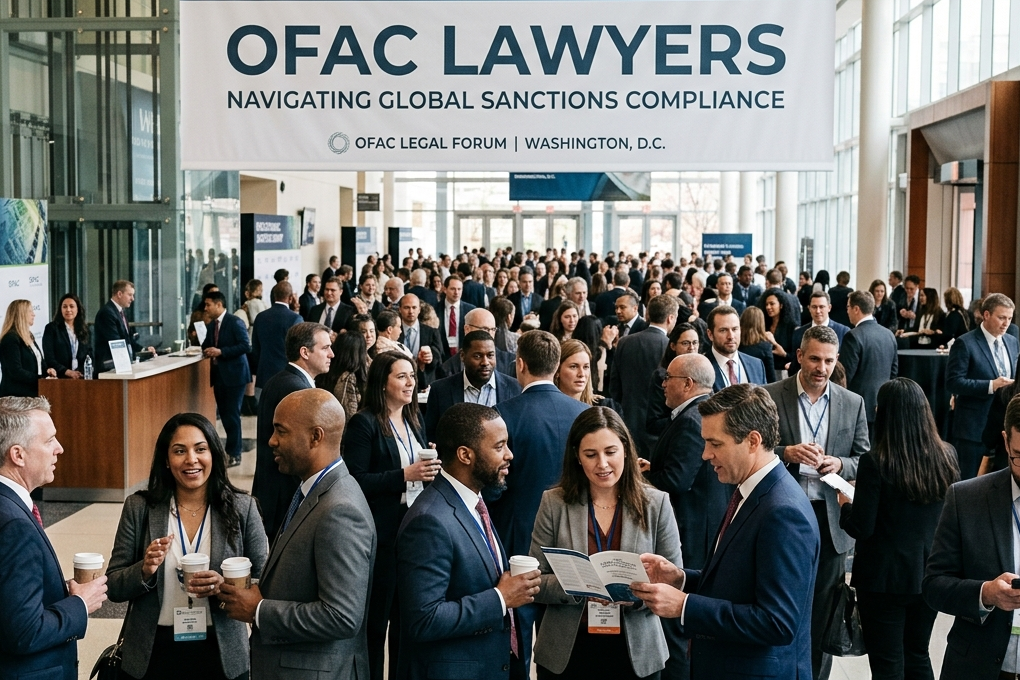
In today’s complex legal environment, the role of a Us Compliance Attorney sanctions attorney USA is becoming increasingly crucial for businesses operating within the United States. With ever-evolving regulations and significant consequences for non-compliance, companies need expert guidance to navigate the intricacies of US compliance law and mitigate potential risks.
A US Compliance Attorney specializes in ensuring that businesses meet all legal requirements and adhere to industry regulations. This can include everything from financial reporting standards to environmental laws, as well as compliance with international sanctions and anti-corruption laws. The scope of their responsibilities can be extensive, making their role vital for maintaining a company’s integrity and reputation.
The Importance of Compliance in Modern Business
In an era where corporate scandals and compliance failures dominate headlines, businesses cannot afford to overlook the importance of compliance more than ever. The repercussions of failing to comply with US laws can be severe, including hefty fines, criminal charges, and significant reputational damage. Moreover, with globalization, businesses are often subject to both domestic and international regulations, complicating their compliance obligations.
A Compliance Attorney helps companies understand not only what the law requires but also the best practices and strategies for staying ahead of compliance requirements. They also play an essential role in fostering a culture of compliance within organizations, ensuring that all employees are aware of the relevant regulations and their obligations.
Key Areas of Focus for US Compliance Attorneys
While the specific focus can vary depending on the industry and the type of business, several key areas are commonly addressed by US Compliance Attorneys:
Regulatory Compliance: Ensuring that a business complies with federal, state, and local regulations across various sectors.
Risk Management: Identifying, assessing, and mitigating legal risks associated with business operations.
Data Privacy and Security: Advising on compliance with data protection laws, including the General Data Protection Regulation (GDPR) and the California Consumer Privacy Act (CCPA).
Anti-Money Laundering (AML): Assisting financial institutions in adhering to AML regulations and combating financial crimes.
Employment Law Compliance: Ensuring adherence to labor laws, workplace safety regulations, and employee rights.
Environmental Compliance: Advising businesses on complying with environmental regulations and sustainability practices.
International Trade Compliance: Navigating import/export regulations, sanctions, and trade laws.
How a US Compliance Attorney Works with Businesses
The collaboration between a US Compliance Attorney and a business can take various forms, depending on the organization’s size and specific needs. Here are a few ways in which they work together:
Policy Development: Compliance Attorneys help develop internal policies and procedures that align with regulatory standards.
Training and Education: They offer training programs to educate employees about compliance requirements and how to recognize potential compliance issues.
Audits and Assessments: Conducting regular audits to identify areas of non-compliance and recommend improvements.
Incident Response: Assisting organizations in responding to compliance violations or breaches, including liaising with regulatory authorities.
Staying Ahead of Compliance Challenges
The landscape of compliance is continuously evolving, requiring businesses and their attorneys to stay informed about new regulations and enforcement trends. US Compliance Attorneys must be proactive in helping organizations anticipate and respond to these changes effectively.
One effective way to stay ahead is through continuous education and training. Compliance Attorneys often attend workshops, webinars, and conferences focused on the latest developments in compliance law and best practices. Additionally, they may consult with industry groups and regulatory agencies to gain insights into forthcoming changes.
Furthermore, technology plays an essential role in modern compliance strategies. Compliance software can help track and manage regulatory obligations, automate reporting, and ensure that all documentation is complete and accurate. US Compliance Attorneys can guide businesses in selecting and implementing these tools effectively.
Conclusion
In an increasingly regulated world, the role of a US Compliance Attorney is essential for ensuring that organizations can operate without facing legal challenges. Their expertise in navigating the complexities of compliance law helps businesses mitigate risks and maintain their reputations.
As companies continue to face new regulatory challenges, investing in legal expertise, particularly in compliance matters, will be a key factor in their long-term success. The right US Compliance Attorney can not only guide a business through the regulatory landscape but also create a culture of compliance that benefits the organization as a whole. By prioritizing compliance and enlisting professional legal guidance, organizations can achieve their goals while remaining on the right side of the law.